Thanksgiving is a day for gratitude, full bellies, and quality time with the people around you. However, it’s also the culprit for over 300 million lbs of food waste every year. Americans throw away more than $550 million worth of food for this one occasion, while 13.5% of the U.S. population faces hunger.
On this day, 263,000,000 meals end up in the trash. That wasted food could feed the population of Scottsdale, Arizona - roughly 240,000 people - for an entire YEAR.
This year, create a Thanksgiving meal that keeps sustainability at the forefront of your cooking, hosting, and serving. Don’t worry, you can keep your tasty traditions and still feed all of your guests while reducing your food waste. Here are a few mindful choices you can make in order to serve your best low waste holiday meal.
1. Thoughtful Menu
A thoughtful menu starts with a solid guest list. Of course you want everyone to feel welcome, but try to avoid over inviting guests so you don’t overestimate how much food you need. A great rule of thumb for portion control is two sides and 8 oz of turkey per person.
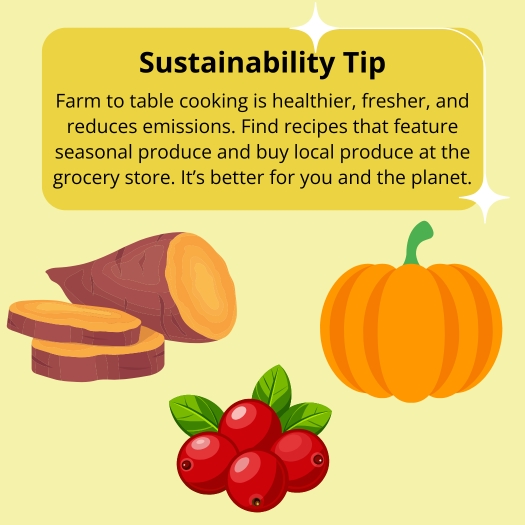
Local farming doesn’t contain harmful chemicals which is ultimately better for you and the environment. Another great way to support local farmers is to center your dishes around seasonal produce. For the fall season you’ll find squash, cranberries, and other root vegetables which are perfect for a Thanksgiving feast. Not only do they taste better, but they’re also packed with more nutrients and are less expensive.
2. Eco-Friendly Materials
It’s time to ditch single-use plastics. Over 40 million tons of plastic are made every year and 80% of it ends up in landfills.
During the holidays, one of the easiest switches you can make, to keep plastic out of landfills, is using real plates, cutlery, and cloth napkins. With drinkware, using glasses or reusable cups are best for an eco-friendly alternative. If you’re still looking for a way to get past doing all of those dishes, opt for compostable tableware. From bamboo plates to compostable napkins, these natural materials are biodegradable and aesthetic.
For the rest of the table, try a DIY approach for more sustainable decor. In fact, every year waste increases by 25% during the holidays, so less is more. Grab some of those beautiful leaves that are falling from your trees and dry them for a gorgeous centerpiece. Add in some gourds, pumpkins, and pinecones for an extra touch. The best part? All of these items are easy to compost afterward! Don’t stop there. You can even make garland from dried fruit and candle holders with jars. DIY decor leaves a cozy and warm vibe that’s very fitting for Thanksgiving.
3. Reducing Food Waste
Now, food waste doesn’t only happen once the meal is over. You can reduce your waste while you prep, cook, and serve. Here are some easy ways to make the most of your Thanksgiving meal:
- Use the Scraps: Did you know vegetable peels, turkey scraps, and herbs make for a delicious stock? This zero waste technique is easy and versatile. Simply throw all of your scraps into a pot with water and boil for 45 minutes. Once you strain the broth, you can keep it in the refrigerator or in the freezer for up to 6 months.
- Freeze It: One of the best methods of food preservation that lives right in your kitchen is your freezer. Whether the turkey was too big or a few guests didn’t show, throwing that extra food into the freezer keeps it fresh and ready to eat.
- Take It Home: If your guests aren’t ready for seconds, send leftovers home with them. This can help prevent excess food waste and it’s a nice way to share.
- Clean-Up: Low waste is even important during clean-up. Not sure what to recycle, throw away, or compost? This may vary by your location, but here’s a general guide to eco friendly clean-ups and ensuring everything ends up in the right bin. For more information check with your local waste program.
- Reinvent: Sick of your leftovers? Then switch it up! Make muffins with your stuffing, turn your turkey into soup, or mix it up with a Thanksgiving casserole.
There are so many ways you can reduce your food waste at home this Thanksgiving. Being mindful of your sustainability practices at home and in your kitchen is a great way to show your support for the 47 million Americans facing hunger and for your planet.
Learn more ways to give back to your local community and fight hunger.