Hunger has always been a major issue throughout America, but its impact is more directly felt on women, children, and minorities. As a result, powerful women have been stepping up to fight gender and racial disparities for decades, also using their platforms to fight food insecurity and raise awareness.
With March being Women’s History Month, we’re taking some time to celebrate these female voices and leaders that have impacted food insecure communities.
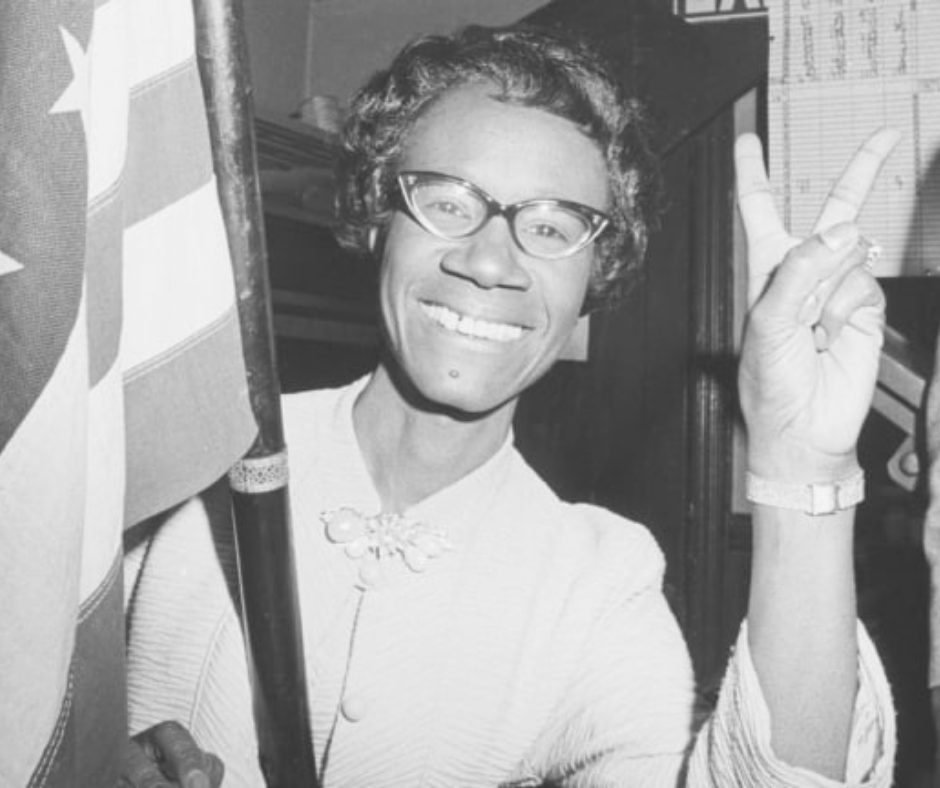
Shirley Chisholm, aka ‘Fighting Shirley’, was the first African-American woman elected to Congress in 1968, and she also played a key role in the foundation of the Women, Children, and Infant (WIC) federal program.
While her district was New York City, Chisholm was also assigned to the House Agriculture Committee, where she fought for the expansion of food assistance programs in every state and advocated tirelessly for minorities and underprivileged groups.
Although she passed in 2005, she received the Presidential Medal Award posthumously in 2015. At the award ceremony, President Obama said “Shirley Chisholm’s example transcends her life. And when asked how she’d like to be remembered, she had an answer: ‘I’d like them to say that Shirley Chisholm had guts.’ And I’m proud to say it: Shirley Chisholm had guts.”

Alice Waters pioneered what is now known as the farm-to-table movement. She is a chef, restauranteur, author, advocate, founder of the Edible Schoolyard Project.
The farm-to-table movement began with Water’s unique aspect of only sourcing farm-fresh food for her restaurant, Chez Panisse, but quickly turned into a social movement where restaurants source their ingredients from local farms. This not only boosts the local economy but aids in food sustainability and reduces food waste.
To celebrate her restaurant’s 25th anniversary and expand her own daughter’s education, Waters founded the Edible Schoolyard Project in 1996, which she created with an edible education curriculum built for pre-kindergarten through high school. The goal of the Edible Schoolyard is to promote a vision of gardens and kitchens as interactive classrooms and teach sustainable food education. Currently, the Edible Schoolyard has nearly 5,000 locations in 57 different countries in their network. In 2015, Water’s work in this initiative led to her receiving the National Humanities Medal from President Barack Obama.
Waters is also an advocate on the national level for lunch reform, lobbying for free, sustainable, farm-fresh school lunches across the country. “We as a nation talk about poverty and inequality. Well, this is the place of social justice. It’s the most important thing to me.”

Patsy Mink grew up wanting to become a doctor, but after realizing the 12 medical schools in America at the time would not admit a woman, much less an Asian-American woman, she turned to law and dedicated her life to fighting gender and racial discrimination.
As a result of her dedication, Mink became the first woman of color elected to the U.S. House of Representatives and the first Asian-American woman in Congress. Throughout her time in office, she spearheaded important bills, like the Women’s Education Equality Act, the Early Childhood Education Act, and Title IX.
Title IX is a bill that protects individuals from discrimination based on gender in education programs or activities that receive federal financial assistance - including feeding programs for kids. Feeding programs for children are especially important since 13 million children are going hungry in the United States each year.
In reference to Title IX, Mink said “We must assure that schools all across this country implement and integrate into their curriculum, policies, goals, programs, activities, and initiatives to achieve education equity for women and girls.”
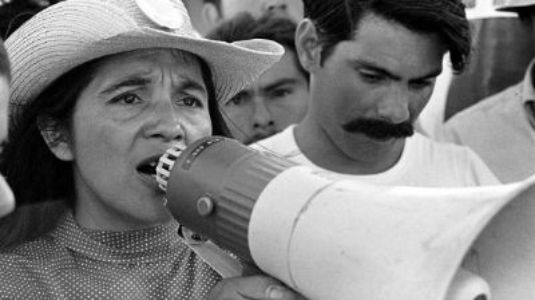
Dolores Huerta is one of the most influential labor activists of the 20th century and co-founder of the United Farms Workers Association. Before devoting her career to economic injustice, Huerta was a school teacher. “I quit because I can't stand seeing kids come to class hungry and needing shoes,” Huerta said. “I thought I could do more by organizing farm workers than by trying to teach their hungry children.”
In 1955 Huerta founded the Stockton chapter of the Community Service Organization where she fought for discrimination against the Latino community and economic improvements. Huerta went on to accomplish so much more; from starting the Agricultural Workers Association to organizing the Delano grape strike, Huerta never stopped using her voice. “Every moment is an organizing opportunity, every person a potential activist, every minute a chance to change the world,” Huerta said.
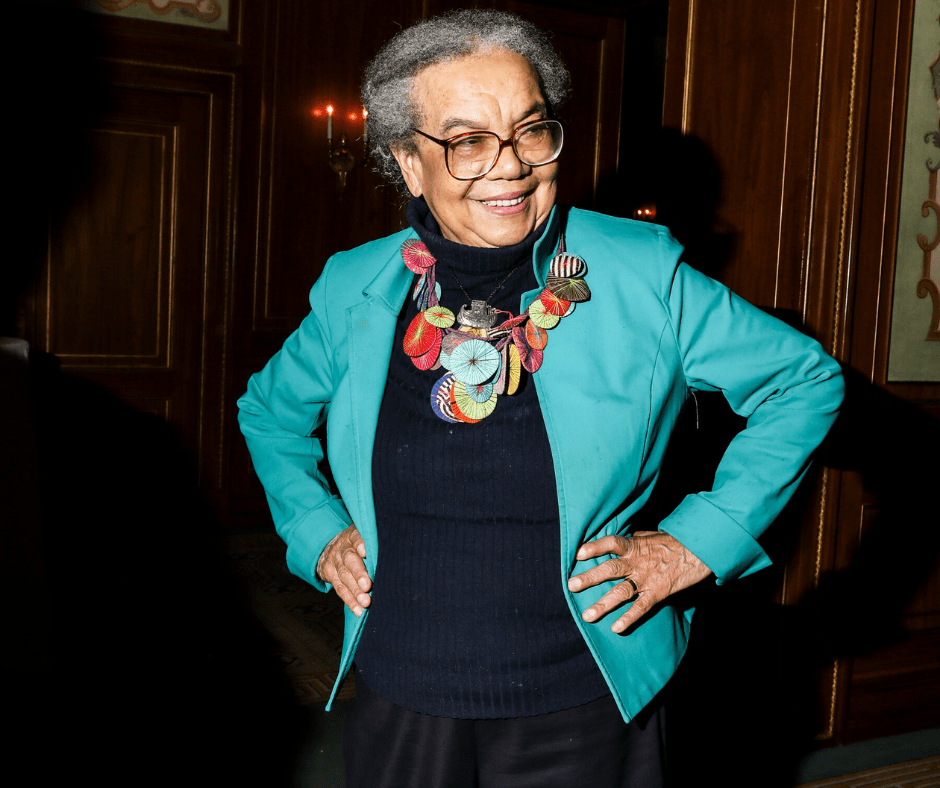
Marian Wright Edelman saw an imminent need to address childhood hunger, and dedicated her life to ensuring no child in America goes hungry.
She graduated as valedictorian from Spelman College in Atlanta, followed by obtaining her law degree from Yale University. Afterward, Edelman became the first woman admitted to the Mississippi Bar. She then served as the Director of the NAACP Legal Defense and Educational Fund, and worked with Martin Luther King Jr. at the Poor People’s Campaign, an initiative to end poverty.
In 1969, Edelman founded the Washington Research Project, which was a public interest law firm that monitored federal programs for low-income families. The Washington Research Project turned her efforts to establish the Children’s Defense Fund, which improves policies and programs for children.
“I saw children with bloated bellies in this country who were close to starvation, who were hungry,” said Edelman during a conversation with TEDWomen curator Pat Mitchell, “and nobody wanted to believe that there were children who were starving.” Edelman received the Presidential Medal of Freedom from former President Bill Clinton in 2000.
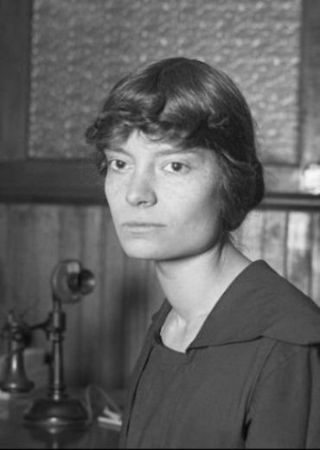
Dorothy Day, notable American journalist and Catholic convert, dedicated most of her life to social activism and advocating for hunger. As a native New Yorker, living in the Lower East Side, Day closely witnessed how the immigrant community suffered from food insecurity and poverty.
These social injustices inspired Day to do her part in building community, protesting hunger, and uplifting those in need. In 1933 she founded the Catholic Worker newspaper where she pursued "advocacy journalism." When they weren’t putting out newspapers, the Catholic Worker office was a soup kitchen and main food source for over 1,200 people.
Day wrote several novels during her life, including "House of Hospitality" where she discusses the CW soup lines and the publication of the paper. Day is mainly attributed to the Catholic church’s involvement in feeding the hungry and sheltering the homeless. “Peace begins when the hungry are fed,” Day said.
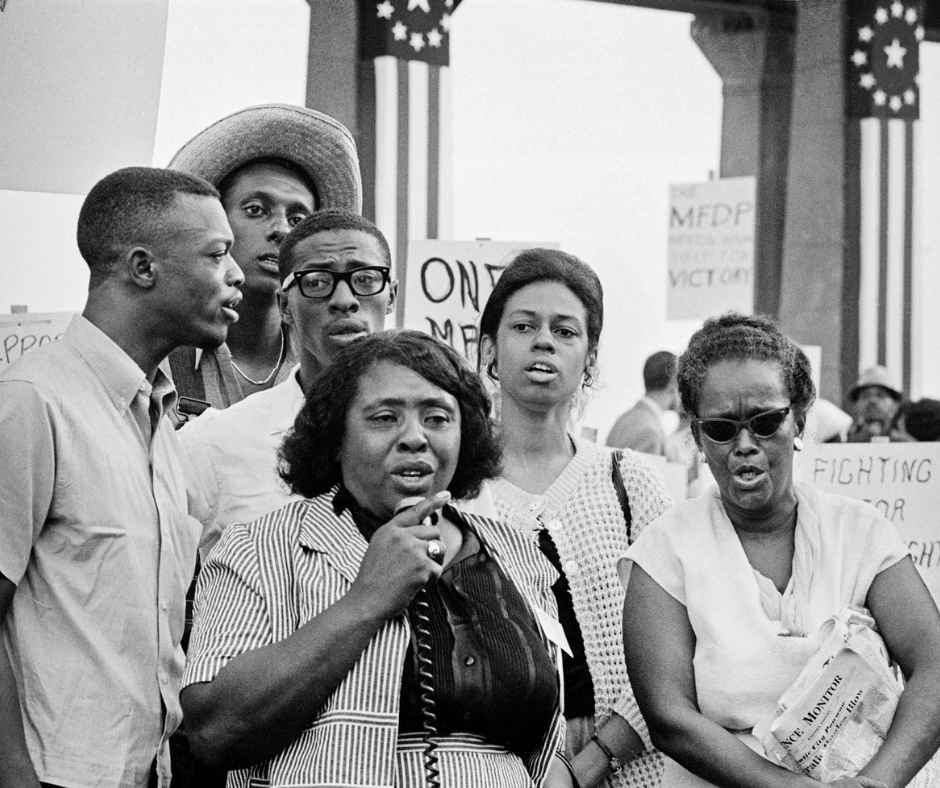
Fannie Lou Hamer grew up the child of a sharecropper, facing hunger as part of her everyday life. “I know what the pain of hunger is about,” Fannie Lou Hamer told a crowd in Madison, Wisconsin. “My family was some of the poorest people that was in the state of Mississippi.”
Hamer’s experiences growing up inspired her to focus much of her adult life on making sure Black families in rural areas had access to food. As a result, she founded the Freedom Farm Cooperative in 1969. Starting with only 40 acres of farmland and 50 pigs, the co-op grew to 640 acres and thousands of pigs in just a few years.
Unfortunately, Hamer passed away in 1977 from cancer, and the Freedom Farm Cooperative ceased to exist. However, her legacy and voice remain prominent in food insecure communities.
While the work these women have done have impacted millions of people and changed bills and programs for the better, America still faces a raging hunger issue - and it’s only getting worse. Luckily, we still have powerful women on our side.
You can help us fight food insecurity by reading some of the blogs about female leaders fighting food insecurity, food waste in America, and how hunger affects America as a whole.
You can also take action today by donating to our mission, hosting a food drive or fundraiser!